PR Campaign Order Form
PR Campaign Order Form: Streamlining Your Communication Strategy
A well-crafted Public Relations (PR) campaign can be transformative for any organization, elevating brand awareness, shaping public perception, and ultimately driving business growth. To ensure a PR campaign aligns perfectly with your goals and budget, a comprehensive order form is an essential starting point. This document serves as a roadmap, clarifying expectations, outlining deliverables, and establishing a clear understanding between the client and the PR agency.
Why Use a PR Campaign Order Form?
The PR campaign order form is much more than just a formality; it’s a vital tool for effective communication and project management. Here’s why its use is crucial:
* **Clarity and Alignment:** It ensures both the client and the PR agency share a common understanding of the campaign objectives, target audience, key messages, and desired outcomes. Misunderstandings can be costly, and a detailed order form mitigates the risk of miscommunication. * **Scope Definition:** The form clearly defines the scope of work, outlining specific tasks, deliverables, and timelines. This prevents scope creep and ensures the agency focuses on the agreed-upon activities. * **Budget Management:** The order form details the budget allocation for different campaign components, such as media relations, content creation, social media management, and event planning. This allows for transparent financial planning and prevents unexpected expenses. * **Performance Measurement:** It identifies the key performance indicators (KPIs) that will be used to measure the success of the campaign. This allows for objective evaluation and data-driven decision-making. * **Legal Protection:** The order form serves as a legally binding agreement, protecting both the client and the PR agency in case of disputes. It outlines the terms and conditions of the engagement, including payment schedules, confidentiality clauses, and intellectual property rights. * **Efficiency and Organization:** By consolidating all relevant information in one document, the order form streamlines the campaign planning process and enhances overall efficiency.
Key Components of a PR Campaign Order Form
A comprehensive PR campaign order form should include the following key components:
* **Client Information:** This section gathers essential details about the client, including the company name, contact person, address, phone number, and email address. * **Agency Information:** Similarly, this section details the PR agency’s contact information. * **Campaign Overview:** This section provides a high-level overview of the campaign, including the campaign name, start and end dates, and a brief description of the campaign goals. * **Campaign Objectives:** This is perhaps the most critical section, where the client clearly defines the specific objectives of the campaign. These objectives should be SMART (Specific, Measurable, Achievable, Relevant, and Time-bound). Examples include increasing brand awareness by X%, generating X number of media mentions, or driving X amount of traffic to the client’s website. * **Target Audience:** This section identifies the specific audience the campaign aims to reach. Defining the target audience is crucial for tailoring the messaging and selecting the most effective communication channels. * **Key Messages:** This section outlines the key messages that the campaign will communicate to the target audience. These messages should be clear, concise, and compelling, and they should align with the client’s brand values. * **Communication Channels:** This section specifies the communication channels that will be used to reach the target audience. This could include traditional media (newspapers, magazines, television, radio), online media (websites, blogs, online publications), social media platforms, email marketing, and events. * **Services Required:** A detailed list of services the PR agency will provide. Examples include: * **Media Relations:** Developing media lists, writing press releases, pitching stories to journalists, and coordinating media interviews. * **Content Creation:** Writing blog posts, articles, website copy, social media updates, and other content. * **Social Media Management:** Creating and managing social media profiles, developing social media strategies, and engaging with followers. * **Event Planning:** Planning and executing press conferences, product launches, and other events. * **Crisis Communication:** Developing crisis communication plans and managing communication during a crisis. * **Deliverables:** This section lists the specific deliverables that the PR agency will provide, along with deadlines for each deliverable. * **Timeline:** A detailed timeline outlining key milestones and deadlines for the campaign. * **Budget:** A breakdown of the budget allocation for different campaign components, including agency fees, media costs, and other expenses. * **Payment Terms:** This section outlines the payment schedule and methods of payment. * **Key Performance Indicators (KPIs):** This section identifies the KPIs that will be used to measure the success of the campaign. Examples include media mentions, website traffic, social media engagement, and lead generation. * **Reporting:** This section specifies the frequency and format of campaign reports. * **Confidentiality:** A confidentiality clause protecting the client’s sensitive information. * **Intellectual Property:** A section defining ownership of intellectual property created during the campaign. * **Termination Clause:** Outlines the conditions under which the agreement can be terminated by either party. * **Signatures:** Spaces for both the client and the PR agency representative to sign and date the agreement, signifying their agreement to the terms and conditions.
Conclusion
A well-structured PR campaign order form is the foundation for a successful and impactful communication strategy. By clearly defining expectations, outlining deliverables, and establishing a transparent budget, this document ensures both the client and the PR agency are aligned and working towards the same goals. Investing the time to create a comprehensive and detailed order form is a crucial step in maximizing the return on your PR investment and achieving your desired outcomes.
 1000×782 step step digital pr campaign strategies india pr campaign from digitalprworld.com
 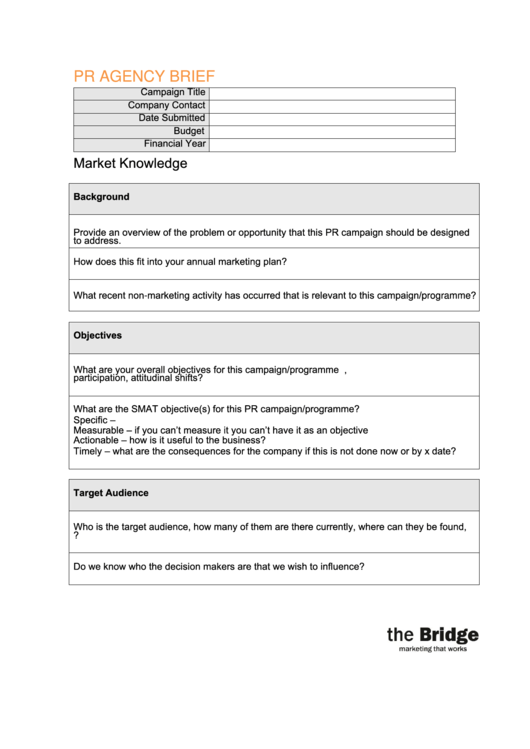 530×749 top pr campaign templates format from www.formsbank.com
  1024×768 pr campaign from www.slideshare.net