Delivery Order Template In PDF Format
“`html
Delivery Order Template: A Streamlined PDF Solution
A delivery order template in PDF format is an essential tool for businesses involved in logistics, transportation, and retail. It serves as a comprehensive document that outlines the specifics of a delivery, ensuring clarity and accuracy for all parties involved, including the sender, the carrier, and the recipient. Utilizing a well-structured PDF template offers a professional and consistent approach to delivery management.
Key Elements of a Delivery Order Template
A robust delivery order template should include the following critical elements:
- Header Information: This section should clearly display your company’s logo, name, address, and contact details. It provides instant recognition and establishes professionalism.
- Delivery Order Number: A unique alphanumeric identifier assigned to each delivery order. This number is crucial for tracking, referencing, and preventing confusion, especially when dealing with numerous deliveries.
- Date of Issue: The date the delivery order was created. This is important for record-keeping and auditing purposes.
- Sender Information: Details about the sender, including name, address, and contact person. This allows the carrier to easily contact the sender if needed.
- Recipient Information: Complete information about the recipient, including name, delivery address, contact person, and phone number. Accurate recipient information is vital for successful delivery.
- Delivery Address: A clear and precise delivery address, including street address, city, state, and zip code. GPS coordinates can also be included for enhanced accuracy.
- Shipping Details:
- Shipping Method: Specifies the method of transportation, such as truck, air freight, or sea freight.
- Delivery Date and Time: The agreed-upon date and time for delivery. Including a specific time window can improve efficiency and customer satisfaction.
- Special Instructions: Any specific instructions for the delivery, such as “fragile,” “handle with care,” or “deliver to loading dock.”
- Item Description: A detailed description of the goods being delivered, including:
- Item Name: The name of the product.
- Quantity: The number of units being delivered.
- Unit of Measurement: (e.g., pieces, kilograms, liters).
- Weight: The weight of each item or the total weight of the shipment.
- Dimensions: The dimensions (length, width, height) of each item or the packaged shipment.
- Payment Information: Details regarding payment terms, including whether payment is due on delivery (COD), prepaid, or invoiced. The payment amount, if applicable, should also be clearly stated.
- Terms and Conditions: Any relevant terms and conditions regarding the delivery, such as liability limitations, cancellation policies, and dispute resolution procedures.
- Signature Fields: Designated spaces for signatures from the sender, carrier, and recipient upon delivery. These signatures serve as proof of delivery and acceptance of the goods. Include fields for printed names alongside signature lines for clarity.
- Notes Section: A space for any additional notes or comments regarding the delivery. This can be used to record any issues encountered during delivery, such as damage or delays.
Benefits of Using a PDF Delivery Order Template
Adopting a PDF delivery order template offers several advantages:
- Professionalism: Using a consistent and well-designed template projects a professional image for your business.
- Accuracy: The structured format helps ensure all necessary information is included, reducing the risk of errors and misunderstandings.
- Efficiency: A pre-designed template saves time and effort compared to creating delivery orders from scratch each time.
- Standardization: Enforces a standard process for all deliveries, ensuring consistency and streamlining operations.
- Record Keeping: PDF documents are easily stored and archived electronically, simplifying record keeping and retrieval.
- Accessibility: PDFs are universally compatible and can be viewed on virtually any device.
- Security: PDFs can be password-protected, restricting access to sensitive information.
- Printability: PDFs are optimized for printing, ensuring clear and legible copies for all parties involved.
- Easy Distribution: PDFs can be easily emailed or shared electronically with relevant parties.
Customizing Your Delivery Order Template
While using a pre-made template is beneficial, customizing it to fit your specific business needs is crucial. Consider these customizations:
- Branding: Incorporate your company logo, colors, and fonts to reinforce your brand identity.
- Fields: Add or remove fields based on the specific information you require for each delivery.
- Terms and Conditions: Tailor the terms and conditions to reflect your company’s policies and legal requirements.
- Language: Translate the template into multiple languages if you operate in diverse markets.
- Integration: Explore options for integrating the template with your CRM or accounting software for automated data entry and reporting.
Conclusion
A well-designed and consistently used delivery order template in PDF format is a vital component of efficient and professional logistics operations. By incorporating all the necessary elements and customizing it to your specific needs, you can streamline your delivery processes, reduce errors, and enhance customer satisfaction. Regularly review and update your template to ensure it remains relevant and effective as your business evolves.
“`
 700×724 delivery order template forms word excel format from www.dotxes.com
  585×650 delivery order templates word google docs from www.template.net
 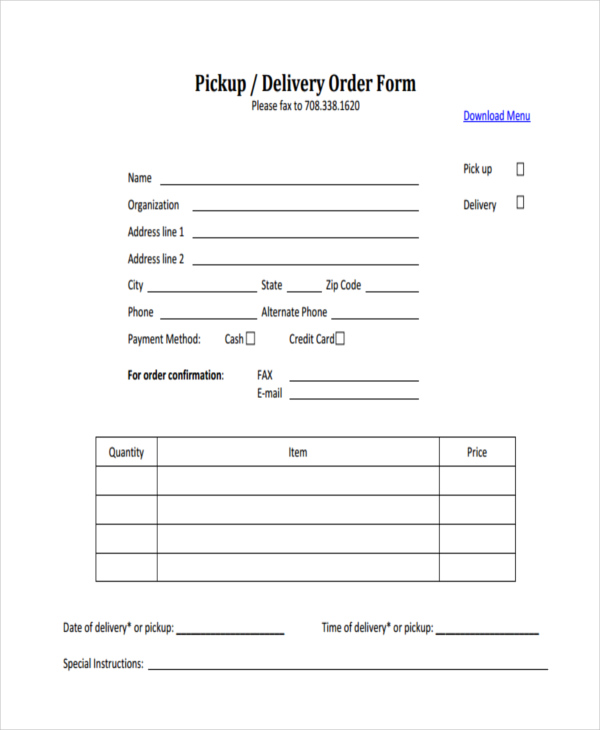 600×730 delivery order form samples ms word google docs from www.sampleforms.com
  600×614 delivery order templates word excel samples from www.templateswift.com
  438×561 delivery order templates printable word excel from www.sampleformats.org
  1976×1376 delivery order template reasons delivery order ah studio blog from www.ah-studio.com
  788×1114 delivery order delivery order template from deliveryordermigunsa.blogspot.com