Service Order Template For Consulting Services
Service Order Template for Consulting Services
A well-structured Service Order (SO) is crucial for successful consulting engagements. It serves as a legally binding agreement, outlining the scope of work, deliverables, timelines, and payment terms, protecting both the consultant and the client. A clear and comprehensive SO minimizes misunderstandings, reduces the potential for disputes, and ensures a smooth and productive working relationship.
Key Components of a Consulting Service Order Template
Here’s a breakdown of the essential sections to include in your Service Order template:
1. Header Information
- Service Order Number: A unique identifier for tracking and referencing the specific order.
- Date of Issuance: The date the Service Order was created.
- Client Company Name and Address: Full legal name and registered address of the client organization.
- Consulting Company Name and Address: Full legal name and registered address of the consulting firm.
- Contact Information: Names, titles, phone numbers, and email addresses of key contacts for both the client and the consultant.
2. Scope of Work (SOW)
This is the most critical section of the Service Order. It precisely defines what the consultant will do and what is not included. Clarity is paramount.
- Project Title: A concise and descriptive name for the consulting engagement.
- Project Objectives: Clearly state the measurable goals the consulting engagement aims to achieve. What problem are you solving? What outcome are you delivering? Use action verbs.
- Detailed Description of Services: A comprehensive description of the specific tasks, activities, and deliverables the consultant will provide. Be specific and avoid vague language. Break down the project into manageable phases or tasks. For example, instead of “Conduct market research,” specify “Conduct a survey of 500 target customers using online and phone-based methods; Analyze survey results and provide a summary report; Identify three key market trends and provide recommendations.”
- Out-of-Scope Items: Explicitly state any tasks or services that are *not* included in the scope of work. This helps prevent scope creep and ensures that both parties are aligned on expectations.
3. Deliverables
This section lists all the tangible outputs that the consultant will provide to the client. This can include reports, presentations, software code, training materials, etc.
- List of Deliverables: A clear and specific list of all deliverables.
- Delivery Dates: Clearly defined deadlines for each deliverable. Use specific dates rather than relative terms like “within two weeks of project start.”
- Delivery Method: Specify how the deliverables will be provided (e.g., email, online portal, hard copy).
- Acceptance Criteria: Describe the criteria the client will use to evaluate and accept each deliverable. This might include accuracy, completeness, format, or functionality.
4. Project Timeline
A realistic timeline is essential for managing expectations and ensuring timely completion of the project.
- Project Start Date: The official date the consulting engagement begins.
- Key Milestones: Identify significant milestones throughout the project, with specific dates for completion.
- Project End Date: The projected date for completion of all deliverables and services.
- Dependencies: Identify any dependencies that could impact the project timeline (e.g., client providing data, access to resources).
5. Fees and Payment Terms
This section outlines the consultant’s fees and the payment schedule.
- Total Project Fee: The total cost for the consulting services.
- Hourly Rate (if applicable): If the project is billed hourly, specify the hourly rate.
- Expense Reimbursement: Detail what expenses are reimbursable (e.g., travel, lodging, meals) and any limits or policies.
- Payment Schedule: Clearly state the payment schedule (e.g., 50% upfront, 25% upon completion of milestone 1, 25% upon project completion). Specify the number of days for invoice payment (e.g., Net 30).
- Payment Method: Specify acceptable payment methods (e.g., check, wire transfer, credit card).
6. Confidentiality and Intellectual Property
Protecting confidential information and clarifying intellectual property ownership is crucial.
- Confidentiality Clause: A clause outlining the obligations of both parties to protect confidential information disclosed during the engagement.
- Ownership of Intellectual Property: Clearly state who owns the intellectual property created during the project. Typically, the client owns the IP, but this should be explicitly defined.
7. Termination Clause
This section outlines the conditions under which either party can terminate the Service Order.
- Termination for Cause: Specify the reasons for which either party can terminate the agreement (e.g., breach of contract, non-payment).
- Termination for Convenience: Outline the process and any associated fees if either party terminates the agreement without cause.
- Notice Period: Specify the required notice period for termination.
8. Governing Law and Dispute Resolution
- Governing Law: State the jurisdiction whose laws will govern the Service Order.
- Dispute Resolution: Outline the process for resolving disputes (e.g., mediation, arbitration).
9. Signatures
- Signature Blocks: Provide signature blocks for authorized representatives of both the client and the consulting firm.
- Date of Signature: Space for each party to date their signature.
Importance of Review and Legal Counsel
It’s highly recommended that both the client and the consultant have the Service Order reviewed by legal counsel before signing. This ensures that the agreement is legally sound and protects the interests of both parties. Tailor this template to fit the specific needs and circumstances of each consulting engagement.
 793×1024 printable service order template from www.bogiolo.com
  641×860 customer order form template excel doctemplates from doctemplates.us
  649×694 service order templates printable word excel from www.sampleformats.org
 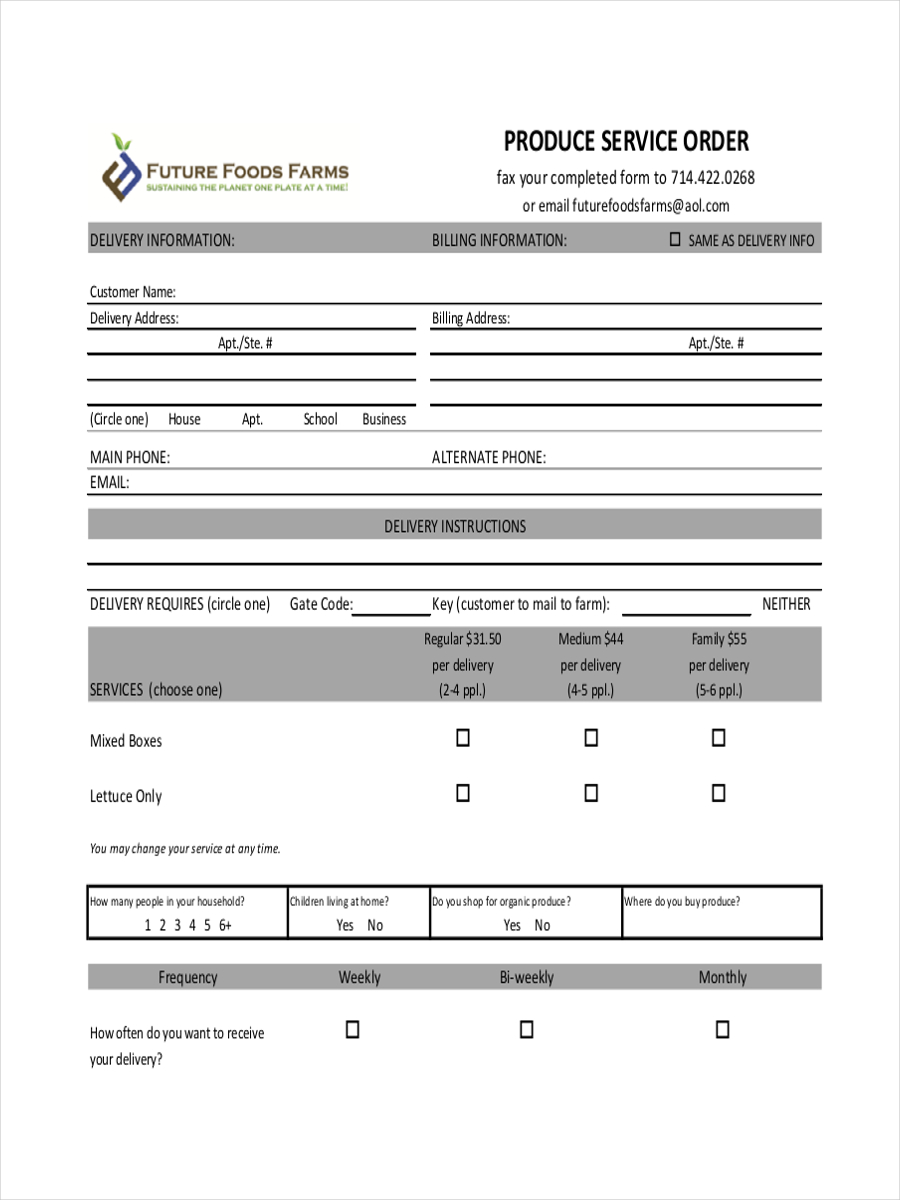 900×1200 service order examples from www.examples.com
  680×896 sample service order template word excel documents from www.template.net
  835×1128 service order form template sample templates sample templates from www.sample-templatess123.com
  647×675 service management copy partners sales order service order from paperstreetenterprises.com
  911×1185 service order form template sampletemplatess sampletemplatess from www.sampletemplatess.com
  454×590 service form template excel samples examples format resume from www.curriculumvitae-resume-formats.com
  1586×1010 complete service order from docs.oracle.com
 Related For Service Order Template For Consulting Services
